Sign up for email updates Read about the benefits
Login or    Please leave this field empty
preventing injuries: at home, at play, and on the way.
coalition search


Print This Page

Early Detection Saves Lives

As the seasons change, temperatures get colder and storms cause the loss of electricity, more families are using gas appliances to keep their homes warm. Fuel-powered devices can provide wonderful benefit to families when used properly, but they also underscore an important necessity in the home: the need for a carbon monoxide alarm.

Why it Matters

Carbon monoxide is a gas that you cannot see, taste, or smell. It is created  when fuel, such as gasoline, kerosene, propane, natural gas, oil, wood or charcoal do not burn properly. Carbon monoxide poisoning can result from faulty furnaces or other heating appliances, portable generators, water heaters, clothes dryers, or cars left running in garages. At its worst, carbon monoxide can cause severe side effects or even death.

Young children are especially vulnerable to the effects of carbon monoxide because of their smaller bodies. Children process carbon monoxide differently than adults, may be more severely affected by it, and may show signs sooner.  Symptoms of carbon monoxide poisoning include headache, nausea, and drowsiness.

Safety TipTop Tips for Preventing Carbon Monoxide Poisoning

Install Carbon Monoxide Alarms

  • Make sure your home has a carbon monoxide alarm. If you don’t have one, please go out and get one.
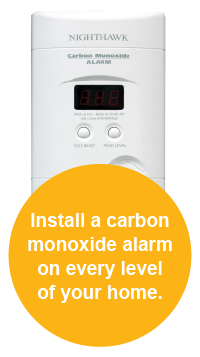
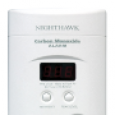
  • Similar to smoke alarms, make sure you have a carbon monoxide alarm on every level of your home, especially near sleeping areas, and keep them at least 15 feet away from fuel-burning appliances.
  • You won't know that you have a carbon monoxide leak without a working alarm. So test alarms regularly and replace them every 5 – 7 years depending on the manufacturer’s label.
  • For the best protection, have carbon monoxide alarms that are interconnected throughout the home. When one sounds, they all sound.
  • Carbon monoxide alarms are not substitutes for smoke alarms and vice versa. Combination smoke and carbon monoxide alarms are available and should be installed appropriately.

Understand How Carbon Monoxide Can Be Harmful

  • Don’t use a grill, generator, or camping stove inside your home, garage, or near a window.
  • If you need to warm a vehicle, remove it from the garage immediately after starting it. Don’t leave a car, SUV, or motorcycle engine running inside a garage, even if the doors are open.
  • Never use your oven or stovetop to heat your home.
  • On the outside of your home, make sure vents for the dryer, furnace, stove, and fireplace are clear of snow and other debris.
  • Carbon monoxide can accumulate in or around your boat, so install an alarm on your motorboat.

Leave the House If the Alarm Sounds

  • Immediately move outdoors or to an open window or door for some fresh air. Make sure everyone inside your home is accounted for.
  • Call 9-1-1 or the fire department. Remain outside or by an open window until emergency personnel arrive to assist you.

Store Gas Properly

  • If using gasoline-powered devices, store gasoline in a locked location where children cannot access it. Keep only small quantities in an approved container that has child safety features.
  • Keep gasoline away from any source of heat, spark or flame. Even common household appliances like water heaters and clothes dryers can start a gas fire. Be sure to store your gas away from anything that could ignite it.
  • Store gas in a well-ventilated area outside your vehicle and living space. The safest place to store the container is in a detached garage or shed.
  • Never mix gas with fire. There is no safe way to start a fire with gasoline.

More about Poison Prevention 

change.org youtube- safekids usa facebook - safekids usa twitter - safekids usa
Home Contact Careers Extranet Search Privacy Policy
Safe Kids Worldwide CountDown2DriveSafe Kids Training Academymysafehome.org CPS Tech Certification
1301 Pennsylvania Avenue, N.W., Suite 1000, Washington, DC 20004-1707 | Phone: 202-662-0600 | © 2009 Safe Kids Worldwide

childrens national