You are here
Swimming
Swimming
 Whether it’s a trip to the beach or a dip in the community or backyard pool, these swimming safety tips can help you have fun in the sun.
Hard Facts about Drowning
- Drowning is the leading cause of injury-related death among children ages 1-4.
- And it's the third leading cause of unintentional injury-related death among children 19 and under.
- In 2018, 918 children under the age of 19 drowned and more than 7,000 were seen in the emergency room.
Top Tips for Swimming Safety
- Watch kids when they are in or around water. Keep young children and weak swimmers within arm’s reach of an adult. Make sure more experienced swimmers are with a partner every time.
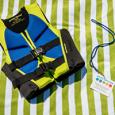
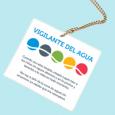
- Choose a Water Watcher. When there are several adults present, choose one to be responsible for watching children in or near the water for a certain period of time, such as 15 minutes. After 15 minutes, select another adult to be the Water Watcher.
- Teach children how to swim. Every child is different, so enroll children in swim lessons when they are ready. Consider their age, development and how often they are around water.
- Make sure kids learn these five water survival skills.
- Step or jump into water over their head and return to the surface.
- Turn around in the water and orient to safety.
- Float or tread water.
- Combine breathing with forward movement in the water.
- Exit the water.
- Teach children that swimming in open water is different from swimming in a pool. Be aware of situations that are unique to open water, such as limited visibility, depth, uneven surfaces, currents and undertow. These potential hazards can make swimming in open water more challenging than swimming in a pool.
- Learn CPR and basic water rescue skills. It is important to know how to respond in an emergency without putting yourself at risk of drowning. Learning these skills may help you save a life.
Learn More About Swimming Safety
Don’t worry – you’re not in over your head in terms of swimming safety. But if you’re interested, learn more swimming safety tips. You can also learn about boating safety tips and water safety at home.